Top Things to Consider Before Buying a Sewing Machine
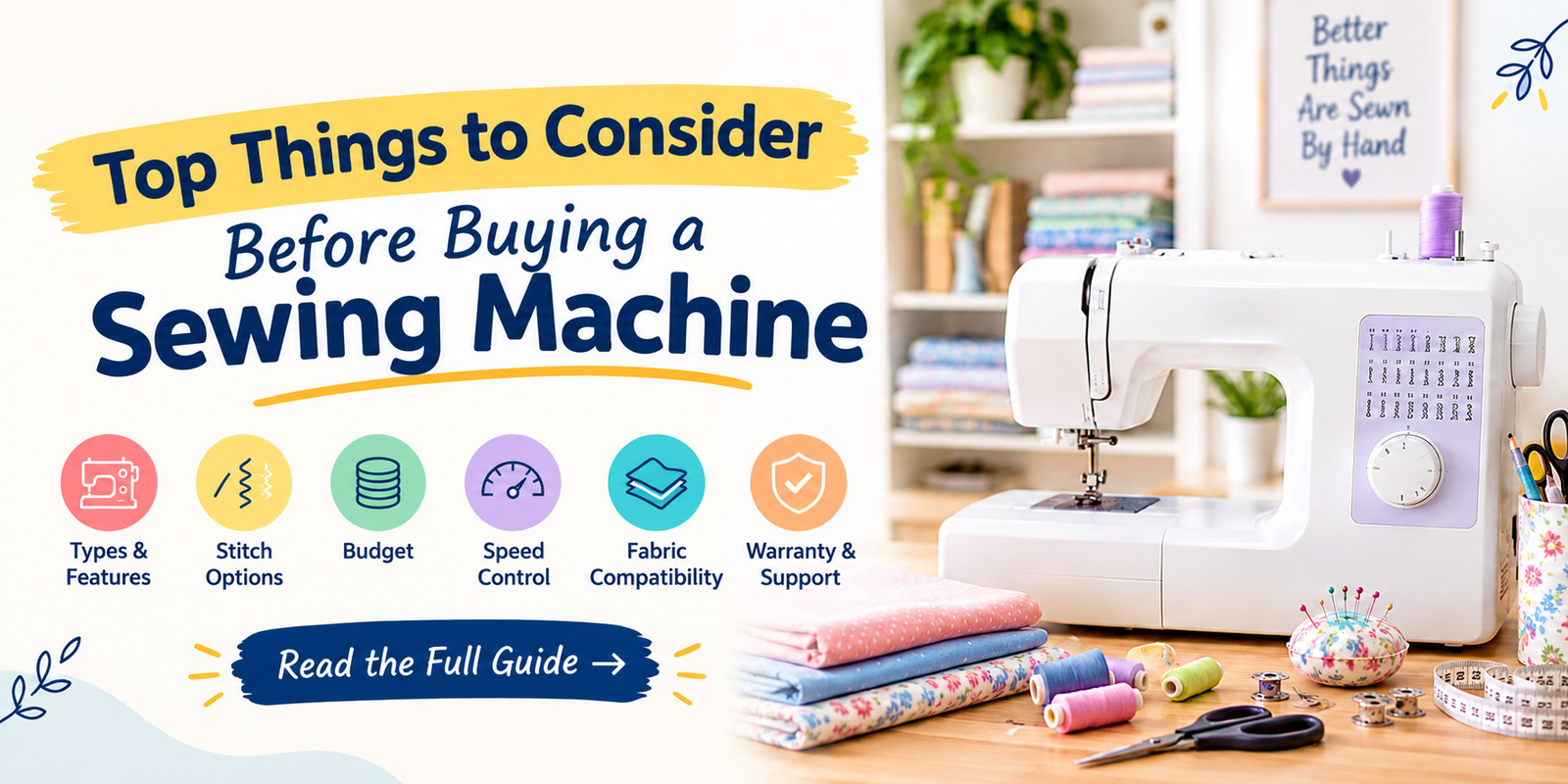
Learn about the top things to consider before buying a sewing machine. Explore different machine types, stitch options, budget, speed control, fabric compatibility, essential features, and warranty tips to choose the right sewing machine for your needs. Whether you're a beginner or an experienced sewing enthusiast, this guide will help you make an informed buying decision.
Buying a sewing machine is an exciting step, whether you are a beginner learning basic stitching or an experienced sewing enthusiast looking to upgrade your equipment. However, with so many models, features, and price ranges available, choosing the right machine can feel confusing.
A good sewing machine should match your sewing skills, budget, and project requirements. From stitch options and speed control to durability and ease of use, there are several important factors to consider before making your purchase.
In this guide, we will explore the top things to consider before buying a sewing machine so you can make a confident and informed decision.
1. Understand Your Sewing Needs
Before choosing a sewing machine, think about the type of projects you want to complete. Different sewing machines are designed for different purposes.
For example:
Basic repairs: A simple machine with essential stitches is suitable for repairing clothes, hemming, and minor alterations.
Garment making: Look for a machine with multiple stitch options, adjustable stitch length, and reliable fabric handling.
Quilting: A machine with a larger workspace and consistent stitching can make quilting projects easier.
Heavy fabrics: If you regularly work with denim, canvas, or multiple fabric layers, consider a heavy-duty sewing machine.
Creative projects: Decorative stitches and additional accessories can be useful for embroidery-style details and creative sewing.
Understanding your sewing goals will help you narrow down your options and avoid paying for features you may never use.
2. Choose the Right Type of Sewing Machine
One of the most important things to consider before buying a sewing machine is its type. Sewing machines generally come in different categories, each offering different benefits.
Mechanical Sewing Machines
Mechanical sewing machines are often suitable for beginners and people who prefer simple controls. They usually feature manual dials for selecting stitches, adjusting stitch length, and controlling other settings.
Benefits:
Easy-to-understand controls
Generally affordable
Suitable for everyday sewing
Simple maintenance and operation
Computerized Sewing Machines
Computerized sewing machines offer digital controls and a wider range of stitch options. Depending on the model, they may include automatic needle threading, programmable stitches, and speed control.
Benefits:
Multiple built-in stitch patterns
Convenient digital controls
Automatic features on many models
Useful for detailed sewing projects
Heavy-Duty Sewing Machines
Heavy-duty machines are designed for handling thicker materials and demanding sewing projects. They may include stronger motors, sturdy frames, and powerful fabric-feeding systems.
Benefits:
Suitable for thicker fabrics
Durable construction
Useful for frequent sewing
Better suited to demanding household projects
Choose the machine type that best matches your sewing requirements and experience level.
3. Check the Available Stitch Options
Stitch variety is another important factor when selecting a sewing machine. Most basic machines offer essential stitches, while advanced models provide additional decorative and specialty options.
Some common stitch types include:
Straight stitch: Used for joining fabric pieces and general sewing.
Zigzag stitch: Useful for finishing fabric edges and sewing stretch materials.
Stretch stitch: Designed for fabrics that need flexibility.
Blind hem stitch: Helps create nearly invisible hems.
Buttonhole stitch: Makes buttonholes for clothing and other projects.
Decorative stitches: Add creative details to fabric.
If you are a beginner, a machine with essential stitches may be enough. More experienced users may prefer additional stitch options for creative projects.
4. Consider Your Budget
Your budget plays an important role when buying a sewing machine. Prices vary depending on the brand, machine type, features, and construction quality.
Before purchasing, decide how much you are comfortable spending.
Consider these general categories:
Budget-friendly machines: Suitable for beginners and occasional household sewing.
Mid-range machines: Often offer additional stitch options, improved convenience, and more features.
Premium machines: May include advanced computerized functions, more accessories, and specialized capabilities.
Remember that the most expensive machine is not always the best choice. Focus on finding a machine that offers the features you actually need within your budget.
5. Look for Beginner-Friendly Features
If you are new to sewing, choose a machine that makes learning comfortable and straightforward.
Some useful beginner-friendly features include:
Automatic needle threader
Easy bobbin winding
Simple stitch selection
Adjustable sewing speed
Reverse stitching function
Clear threading instructions
Built-in LED sewing light
These features can make everyday sewing easier and help beginners develop their skills with greater confidence.
6. Check Sewing Speed and Speed Control
Sewing speed is another feature worth considering. Some sewing machines operate at higher speeds, making them useful for completing larger projects efficiently.
However, beginners may benefit more from a machine that offers adjustable speed control.
Speed control helps you:
Sew slowly while learning new techniques.
Maintain better control around corners.
Handle detailed stitching more comfortably.
Work at a suitable speed for different fabrics.
A machine with adjustable speed can be useful for both beginners and experienced sewing enthusiasts.
7. Consider Fabric Compatibility
Not every sewing machine handles every type of fabric equally well. Before buying, consider the materials you plan to use.
Common fabrics include:
Cotton
Linen
Polyester
Silk
Denim
Canvas
Jersey and stretch fabrics
If you mainly sew lightweight cotton and polyester, a standard household sewing machine may be sufficient.
For thicker materials such as denim and canvas, look for a machine designed to handle heavier fabrics. Always check the manufacturer's fabric recommendations before purchasing.
8. Check the Machine's Build Quality and Durability
A sewing machine is an investment, so durability should be part of your buying decision.
Look for a machine with a sturdy frame, reliable internal components, and a stable base. A well-built machine can provide more consistent performance during regular sewing.
Before purchasing, check:
Overall construction quality
Frame material
Machine stability
Motor performance
Product reviews
Brand reputation
Reading customer reviews can also help you understand how a machine performs during everyday use.
9. Review the Included Accessories
Accessories can make sewing more convenient and expand the types of projects you can complete.
Some common sewing machine accessories include:
Standard presser foot
Zipper foot
Buttonhole foot
Bobbins
Needles
Seam ripper
Spool caps
Screwdriver
Dust cover
Check which accessories are included in the package and whether additional accessories are compatible with the machine.
A machine that comes with useful accessories can offer better overall value.
10. Check Warranty and Customer Support
Warranty coverage and customer support are important when purchasing a sewing machine.
Even a good-quality machine may require servicing, replacement parts, or technical assistance over time.
Before buying, check:
Warranty duration
What the warranty covers
Availability of replacement parts
Authorized service centers
Customer support options
Availability of instruction manuals
Choosing a brand with reliable after-sales support can make machine ownership easier in the long run.
11. Read Customer Reviews and Compare Models
Before making your final decision, compare different sewing machine models. Product descriptions provide useful information, but customer reviews can offer additional insights into real-world performance.
Pay attention to reviews that discuss:
Ease of use
Stitch quality
Noise levels
Fabric handling
Durability
Maintenance requirements
Customer service
Compare at least two or three models with similar features and prices. This will help you identify the machine that offers the best combination of quality, convenience, and value.
Common Mistakes to Avoid When Buying a Sewing Machine
Choosing a sewing machine becomes easier when you know what mistakes to avoid.
Here are some common buying mistakes:
Buying without understanding your needs: Choose a machine based on the projects you actually plan to sew.
Focusing only on price: A cheaper machine may not offer the features or durability you need.
Ignoring fabric compatibility: Make sure the machine can handle your preferred materials.
Choosing too many unnecessary features: More features do not always mean a better machine for your needs.
Ignoring warranty coverage: Check the service and support options before purchasing.
Not checking accessories: Make sure essential accessories are included or available separately.
Avoiding these mistakes can help you find a sewing machine that supports your sewing journey.
Conclusion
Buying the right sewing machine requires careful consideration of your sewing goals, budget, experience level, and preferred fabrics. From mechanical and computerized machines to heavy-duty models, every type offers different advantages.
Before making a purchase, compare stitch options, sewing speed, fabric compatibility, build quality, included accessories, and warranty coverage. Beginners should prioritize easy-to-use controls and essential features, while experienced users may benefit from advanced functions.
By understanding the top things to consider before buying a sewing machine, you can choose a machine that meets your needs and makes every sewing project more enjoyable.
Explore helpful sewing tips, tools, and resources at SewingKitBag.com and take the next step toward creating beautiful handmade projects.
FAQs
1. What should I look for when buying a sewing machine?
Consider your sewing needs, budget, stitch options, speed control, fabric compatibility, build quality, accessories, and warranty before purchasing.
2. Which sewing machine is best for beginners?
A mechanical or beginner-friendly computerized sewing machine with simple controls, essential stitches, adjustable speed, and easy threading is a good starting point.
3. How many stitches should a good sewing machine have?
A basic sewing machine with essential straight and zigzag stitches is suitable for many everyday projects. Additional stitches are useful for specialized and decorative work.
4. Is a computerized sewing machine better than a mechanical one?
Both have advantages. Mechanical machines are generally simpler to operate, while computerized machines offer digital controls and additional convenience features. The best option depends on your needs and budget.
5. Can a regular sewing machine sew thick fabrics?
Some regular household sewing machines can handle moderately thick fabrics. For frequent work with denim, canvas, or multiple layers, consider a suitable heavy-duty model.
6. How much should I spend on my first sewing machine?
Your budget should depend on how frequently you plan to sew and which features you need. Beginners can start with an affordable, reliable machine that covers essential sewing tasks.
More Articles
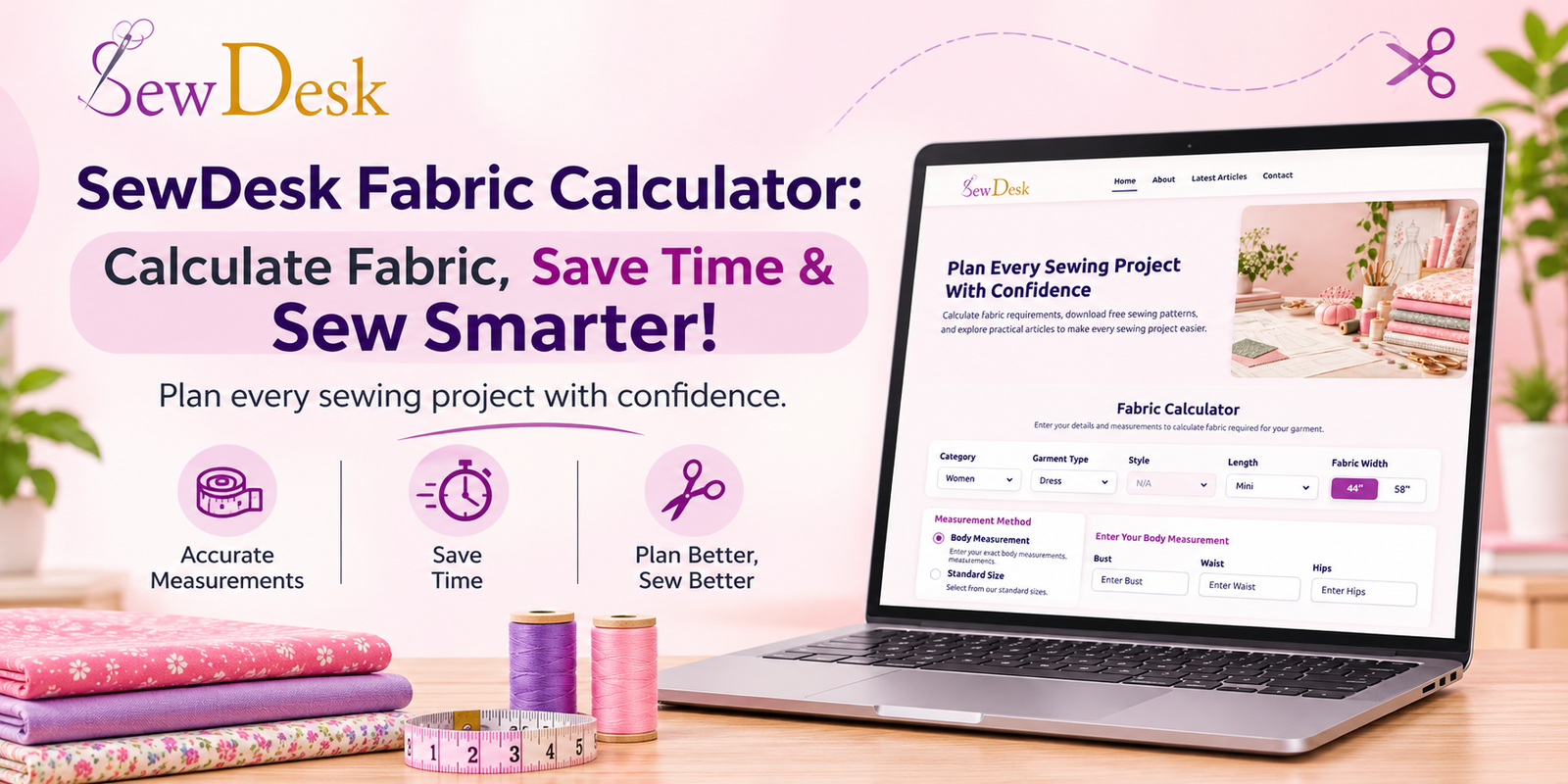
SewDesk Fabric Calculator: Calculate Fabric, Save Time & Sew Smarter!
Discover how the SewDesk Fabric Calculator makes fabric estimation simple and convenient. Learn how to calculate fabric requirements, reduce material wastage, save time, manage sewing budgets, and plan your stitching projects more efficiently. Whether you are a beginner, tailor, or fashion designer, SewDesk helps you sew smarter.
Read More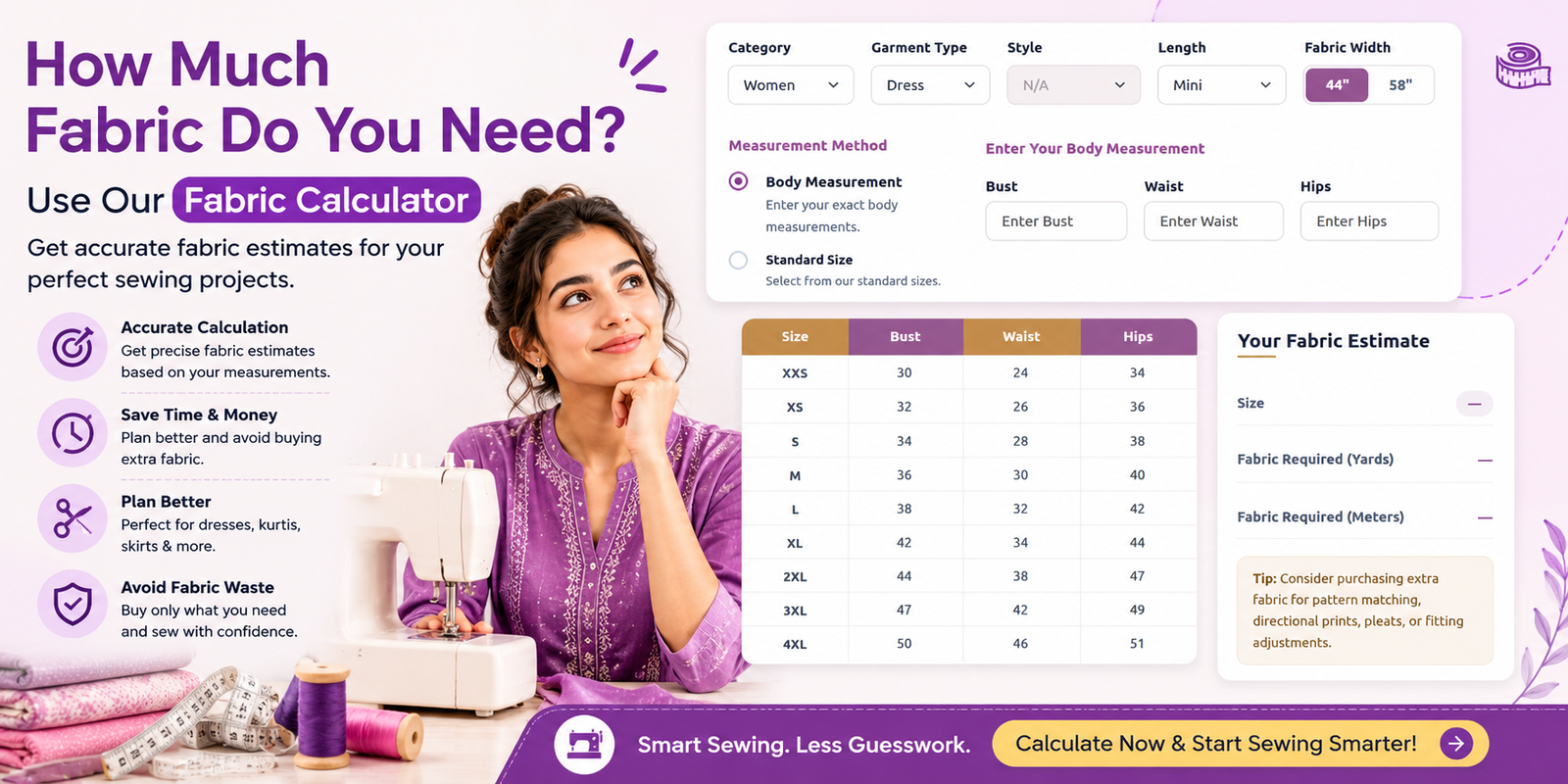
How Much Fabric Do You Need? A Complete Guide to Using a Fabric Calculator
Discover how much fabric you need for your next sewing project with a Fabric Calculator. Learn how to calculate fabric requirements for dresses, kurtis, blouses, and skirts based on garment style, body measurements, and fabric width. Explore practical tips to save time, reduce fabric waste, and plan smarter sewing projects with Sewdesk.
Read More
Buying Your First Sewing Machine? Read This Before You Choose
Buying your first sewing machine? This beginner’s guide explains how to compare machine types, essential features, fabric compatibility, and costs. Learn what to check before purchasing, from easy threading and speed control to warranty and service support, so you can choose confidently for your sewing projects.
Read More