How Much Fabric Do You Need? A Complete Guide to Using a Fabric Calculator
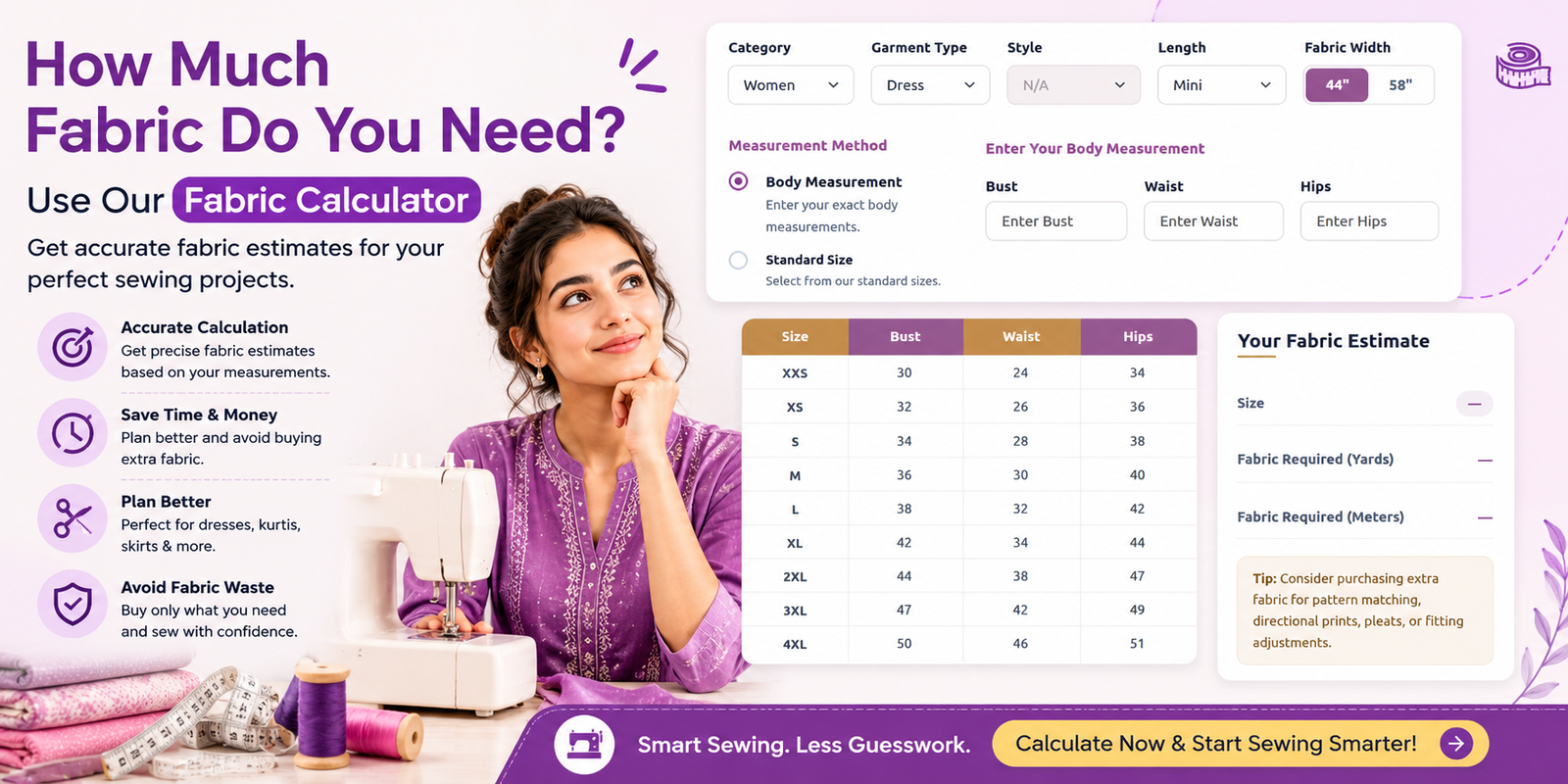
Discover how much fabric you need for your next sewing project with a Fabric Calculator. Learn how to calculate fabric requirements for dresses, kurtis, blouses, and skirts based on garment style, body measurements, and fabric width. Explore practical tips to save time, reduce fabric waste, and plan smarter sewing projects with Sewdesk.
Have you ever started a sewing project and wondered how much fabric you actually need? Whether you are stitching a beautiful dress, a stylish kurti, a blouse, or a traditional outfit, calculating the correct fabric quantity is an important step. Buying too little fabric can interrupt your project, while purchasing too much can increase unnecessary expenses and fabric waste.
A Fabric Calculator makes this process easier by helping you estimate the fabric required according to garment type, body measurements, style, length, and fabric width.
With Sewdesk, sewing enthusiasts and designers can explore smarter ways to plan their sewing projects, save time, and make better fabric decisions. Let's understand how to calculate fabric requirements accurately.
Why Is Calculating Fabric Requirements Important?
Before cutting any fabric, it is essential to know how much material your garment will require. Proper fabric calculation helps you avoid common sewing mistakes and ensures a smoother stitching experience.
Here are some important benefits:
Avoid Fabric Shortage: Calculate the approximate fabric quantity before starting your project.
Reduce Fabric Waste: Purchase only the material you reasonably need.
Save Money: Avoid spending extra on unnecessary fabric.
Improve Planning: Organize your cutting and stitching process efficiently.
Achieve Better Results: Make room for seams, hems, fitting adjustments, and design details.
Accurate fabric planning is especially useful for boutique owners, tailors, fashion designers, and people who regularly stitch their own clothes.
What Is a Fabric Calculator?
A Fabric Calculator is a useful online tool that helps estimate the amount of fabric required for different garments. Instead of relying entirely on guesswork, you can use garment details and measurements to calculate an approximate fabric requirement.
Depending on the calculator, you may need to enter details such as:
Category: Select Women, Men, or another available category.
Garment Type: Choose a dress, kurti, blouse, skirt, or other garment.
Style: Select the appropriate design or style.
Length: Choose the required garment length, such as mini, knee-length, or full-length.
Fabric Width: Select the available fabric width, such as 44 inches or 58 inches.
Body Measurements: Enter bust, waist, and hip measurements when required.
Once you provide the necessary information, the calculator can help estimate the fabric quantity for your sewing project.
How to Calculate Fabric Requirements for Different Garments
Fabric requirements vary depending on garment design, measurements, fabric width, and cutting layout. Here are some important factors to consider.
1. Dresses
The fabric needed for a dress depends on its length, sleeve design, flare, and overall pattern. A simple straight dress generally requires less fabric than a heavily flared or layered dress.
For accurate planning, consider the dress length, sleeve length, bust measurement, and additional fabric needed for seams and hems.
2. Kurtis
Kurtis come in different styles, including straight-cut, A-line, Anarkali, and flared designs. Each style has different fabric requirements.
For example, an Anarkali kurti generally needs more fabric because of its additional flare compared with a basic straight-cut kurti.
3. Blouses
Blouse fabric requirements depend on sleeve length, neckline, back design, and fitting. Designer blouses with additional panels, gathers, or decorative elements may require extra material.
4. Skirts
The fabric needed for a skirt depends on its shape and flare. A straight skirt, pleated skirt, and circular skirt all have different fabric requirements.
Always consider the waist measurement, skirt length, and fabric width before purchasing material.
Factors That Affect Fabric Consumption
A fabric calculator can provide a helpful estimate, but several factors influence the final fabric requirement.
1. Fabric Width: Wider fabric may allow pattern pieces to fit more efficiently, potentially reducing the total fabric length required.
2. Body Measurements: Bust, waist, hip, and other measurements influence garment dimensions and fabric consumption.
3. Garment Design: Flared skirts, pleats, collars, ruffles, and full sleeves can increase fabric requirements.
4. Pattern Matching: Stripes, checks, and printed fabrics may require additional material to align the design correctly.
5. Seam Allowances: Extra fabric is needed for stitching, hems, and finishing.
6. Fabric Shrinkage: Some fabrics shrink after washing. Pre-washing and measuring the fabric can help prevent unexpected shortages.
Common Fabric Calculation Mistakes to Avoid
Even experienced sewing enthusiasts can make mistakes while estimating fabric requirements.
Here are some common mistakes you should avoid:
Ignoring the actual fabric width.
Forgetting seam and hem allowances.
Not considering sleeve and neckline designs.
Ignoring pattern matching requirements.
Forgetting possible fabric shrinkage.
Cutting fabric without checking the measurements twice.
Using a fabric calculator and checking your garment pattern before cutting can help reduce these mistakes.
How Sewdesk Makes Sewing Planning Smarter
At Sewdesk, the goal is to make sewing-related tasks easier and more organized. Better planning is an important part of achieving professional-looking stitching results.
Understanding fabric requirements before starting a project helps beginners avoid confusion and allows experienced tailors and designers to plan their work more efficiently.
Whether you are preparing a new dress, designing a kurti, or working on a custom stitching project, smart fabric planning can help you save time, manage material, and reduce unnecessary waste.
Explore more sewing solutions and resources at Sewdesk.
Frequently Asked Questions (FAQs)
1. How do I calculate how much fabric I need for a dress?
Consider the dress length, sleeve length, body measurements, design, and fabric width. A fabric calculator can help estimate the required quantity.
2. Does fabric width affect fabric consumption?
Yes. Fabric width plays an important role in determining how pattern pieces can be arranged. Wider fabric may reduce the required fabric length in some designs.
3. How much extra fabric should I buy?
The additional fabric depends on the garment design, seam allowances, pattern matching, shrinkage, and fitting adjustments. Always check your pattern before purchasing.
4. Can beginners use an online fabric calculator?
Yes. Online fabric calculators are useful for beginners because they simplify fabric estimation and reduce guesswork.
5. Why should I calculate fabric before cutting?
Calculating fabric requirements before cutting helps prevent material shortages, reduce waste, control expenses, and improve sewing project planning.
Final Thoughts
Knowing how much fabric you need is one of the most important steps in successful sewing. From dresses and kurtis to skirts and blouses, every garment has different fabric requirements.
Using a Fabric Calculator can make fabric estimation easier, save valuable time, and help you avoid unnecessary fabric waste. Plan your next sewing project with confidence and discover smarter sewing solutions with Sewdesk.
More Articles
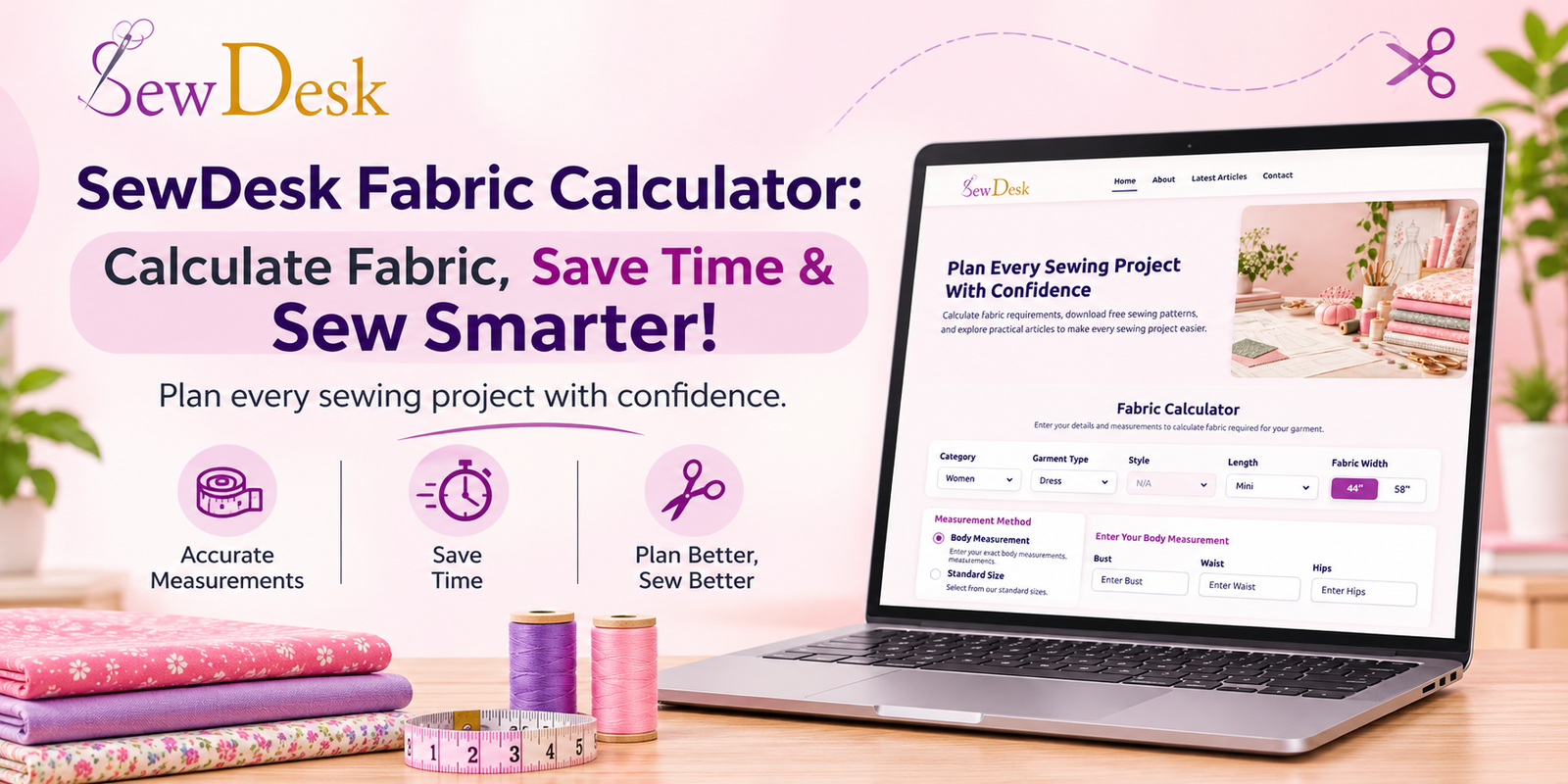
SewDesk Fabric Calculator: Calculate Fabric, Save Time & Sew Smarter!
Discover how the SewDesk Fabric Calculator makes fabric estimation simple and convenient. Learn how to calculate fabric requirements, reduce material wastage, save time, manage sewing budgets, and plan your stitching projects more efficiently. Whether you are a beginner, tailor, or fashion designer, SewDesk helps you sew smarter.
Read More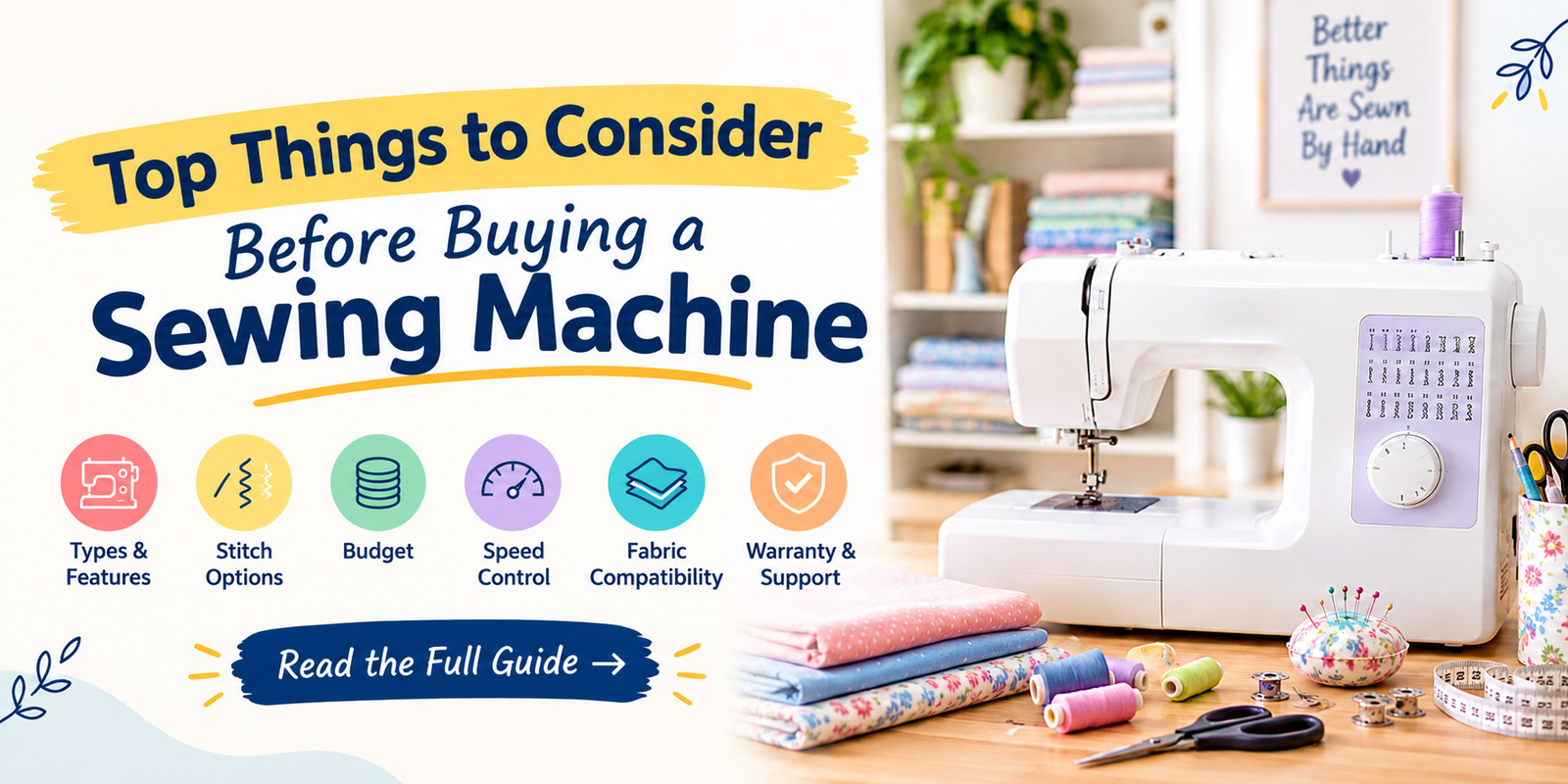
Top Things to Consider Before Buying a Sewing Machine
Learn about the top things to consider before buying a sewing machine. Explore different machine types, stitch options, budget, speed control, fabric compatibility, essential features, and warranty tips to choose the right sewing machine for your needs. Whether you're a beginner or an experienced sewing enthusiast, this guide will help you make an informed buying decision.
Read More
Buying Your First Sewing Machine? Read This Before You Choose
Buying your first sewing machine? This beginner’s guide explains how to compare machine types, essential features, fabric compatibility, and costs. Learn what to check before purchasing, from easy threading and speed control to warranty and service support, so you can choose confidently for your sewing projects.
Read More