SewDesk Fabric Calculator: Calculate Fabric, Save Time & Sew Smarter!
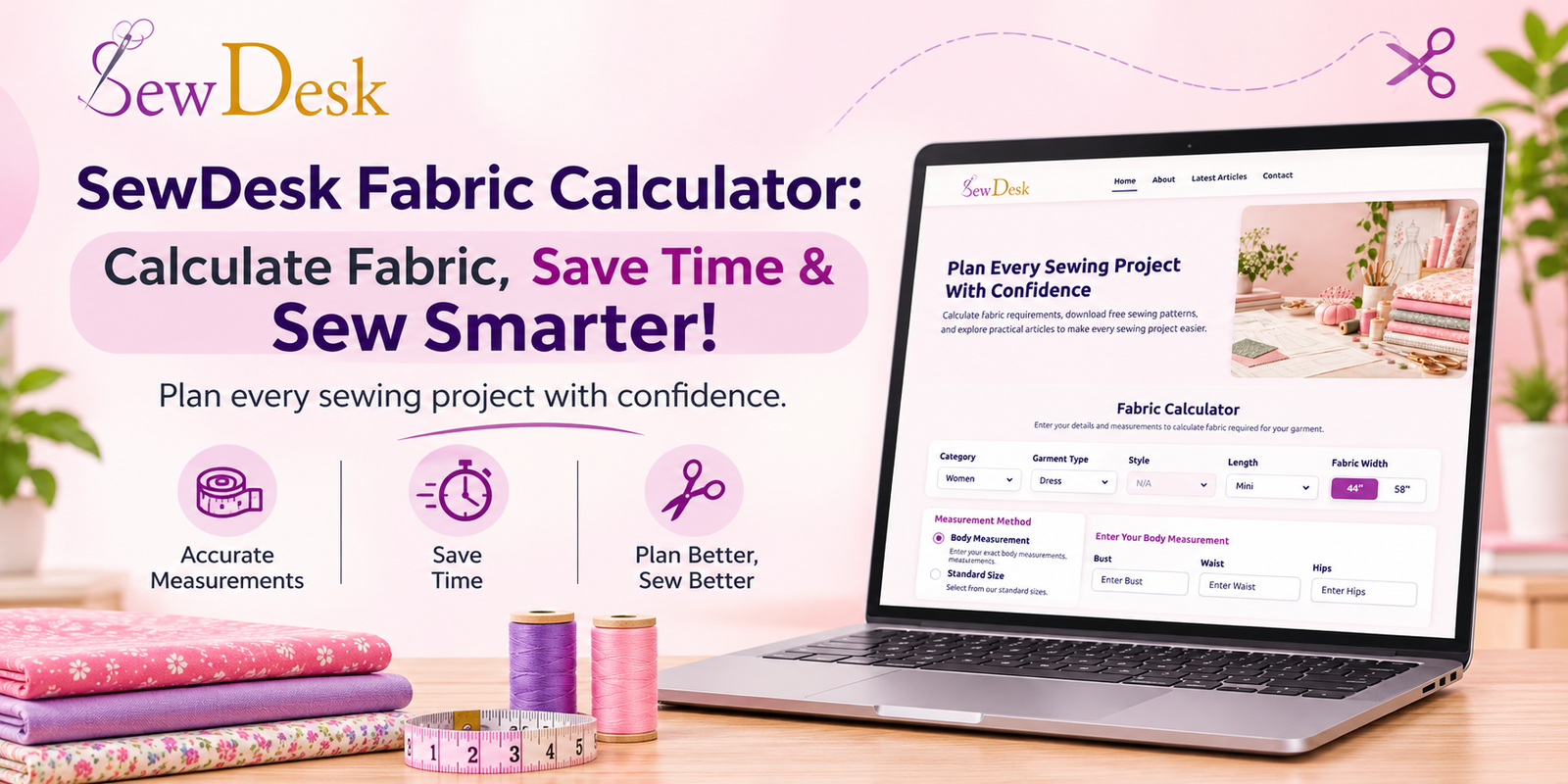
Discover how the SewDesk Fabric Calculator makes fabric estimation simple and convenient. Learn how to calculate fabric requirements, reduce material wastage, save time, manage sewing budgets, and plan your stitching projects more efficiently. Whether you are a beginner, tailor, or fashion designer, SewDesk helps you sew smarter.
Sewing is a creative and rewarding skill, but calculating the right amount of fabric can sometimes be challenging. Whether you are making a dress, stitching curtains, designing a blouse, or working on a large sewing project, knowing how much fabric you need is essential. Buying too little fabric can interrupt your project, while purchasing too much can increase unnecessary expenses.
This is where a Fabric Calculator becomes useful. It helps estimate fabric requirements quickly and makes sewing projects easier to plan. With the SewDesk Fabric Calculator, you can simplify fabric calculations, save time, and make smarter sewing decisions.
What Is a Fabric Calculator?
A Fabric Calculator is a helpful online tool designed to estimate how much fabric is required for a particular sewing or stitching project. Instead of spending time calculating measurements manually, you can use a calculator to make the process easier.
Fabric requirements depend on several factors, including garment size, fabric width, design, measurements, and cutting layout. A reliable fabric calculation helps you understand the approximate material needed before purchasing or cutting your fabric.
Whether you are a beginner, professional tailor, fashion designer, or sewing enthusiast, a fabric calculation tool can make project planning more convenient.
Why Is Fabric Calculation Important?
Accurate fabric measurement plays an important role in successful sewing. Every sewing project requires proper planning, and fabric is one of the most important materials.
Here are some reasons why calculating fabric requirements is important:
1. Avoid Fabric Wastage
Buying more fabric than necessary can increase project costs. On the other hand, buying less fabric may force you to purchase additional material later. A Fabric Calculator helps estimate the required quantity and reduce unnecessary wastage.
2. Save Time and Effort
Manual calculations can be confusing, especially when working with multiple garments or different measurements. An online calculator makes the estimation process quicker and easier.
3. Manage Your Sewing Budget
Fabric prices vary depending on material, quality, and design. Knowing the approximate quantity beforehand helps you estimate your budget and plan your purchases.
4. Improve Sewing Project Planning
When you know how much fabric you need, you can organize your cutting, stitching, and designing process more effectively.
How Does the SewDesk Fabric Calculator Help?
The SewDesk Fabric Calculator is designed to make fabric estimation more convenient for people involved in sewing and tailoring.
Instead of relying entirely on manual calculations, you can use an online tool to simplify your work.
Here are some potential benefits:
Quick Estimation: Calculate fabric requirements without complicated manual calculations.
Easy to Use: Make fabric estimation more accessible for beginners and professionals.
Better Planning: Understand your fabric requirements before starting a project.
Reduced Wastage: Plan fabric purchases more carefully.
Convenience: Calculate fabric requirements whenever you need them.
The goal is simple: make fabric calculations easier so you can focus more on designing and stitching.
How to Calculate Fabric Requirements
Calculating fabric requirements depends on the type of sewing project. Before estimating fabric, you should understand a few important measurements.
Step 1: Identify Your Sewing Project
First, decide what you want to make. It could be a shirt, trousers, dress, blouse, skirt, or curtains. Different projects require different amounts of fabric.
Step 2: Take Accurate Measurements
Measure the length, width, and other required dimensions of your project. For garments, consider body measurements and the desired fitting.
Step 3: Check Fabric Width
Fabric is available in different widths. A wider fabric may require less total length for certain designs, while narrower fabric may require additional material.
Step 4: Consider the Design
Pleats, gathers, sleeves, collars, pockets, borders, and other design elements can increase fabric consumption. Always consider these details before purchasing material.
Step 5: Calculate the Required Fabric
Use the SewDesk Fabric Calculator to simplify the estimation process. Enter the required measurements according to the calculator's available fields and review the estimated fabric quantity.
Factors That Affect Fabric Consumption
Several factors influence how much fabric is needed for a sewing project.
Fabric Width
Fabric width is one of the most important factors. Common fabric widths vary depending on the manufacturer and material. Always check the actual usable width before calculating.
Garment Size
Larger garment sizes generally require more fabric. Accurate measurements help improve the estimation.
Fabric Pattern
Printed fabrics, stripes, checks, and directional designs may require extra material to match patterns correctly.
Sewing Style
A simple dress may require less fabric than a heavily gathered or pleated dress. Design complexity can significantly affect fabric consumption.
Cutting Layout
The way pattern pieces are arranged on fabric also affects material usage. An efficient cutting layout can help reduce wastage.
Who Can Use a Fabric Calculator?
A Fabric Calculator is useful for different people working with fabric and sewing materials.
Tailors: Estimate fabric requirements for customer orders.
Fashion Designers: Plan materials for new clothing designs.
Home Sewers: Calculate fabric before starting DIY projects.
Boutique Owners: Manage fabric purchases and production planning.
Students: Learn fabric measurement and estimation techniques.
Curtain Makers: Estimate fabric requirements for window treatments.
Even if you are new to sewing, an online fabric estimation tool can help make your projects easier to manage.
Tips for Getting Accurate Fabric Estimates
To get better results from any fabric calculation tool, follow these practical tips:
Always take measurements carefully.
Check the fabric width before purchasing.
Consider extra fabric for seams and hems.
Account for pattern matching when using printed or checked fabrics.
Include additional material for complicated designs.
Double-check measurements before cutting.
Keep a small allowance for unexpected adjustments.
Remember that calculated fabric requirements are estimates. Actual consumption may vary depending on the pattern, cutting method, fabric type, and garment design.
Why Choose SewDesk Fabric Calculator?
SewDesk aims to make everyday sewing tasks simpler and more convenient. Fabric estimation is an important part of sewing, but it does not need to be complicated.
With the SewDesk Fabric Calculator, you can make fabric planning easier, save valuable time, and approach your sewing projects with greater confidence.
Whether you are preparing a small DIY project or managing regular tailoring work, having a convenient fabric calculation tool can help you stay organized.
Conclusion
Calculating the right amount of fabric is an essential step in every successful sewing project. It helps prevent material wastage, manage expenses, and ensure a smoother stitching process.
A Fabric Calculator makes this task easier by helping you estimate fabric requirements based on important measurements and project details.
Try the SewDesk Fabric Calculator to simplify your fabric estimation process, save time, and sew smarter. Plan your next sewing project with confidence and make every piece of fabric count!
More Articles
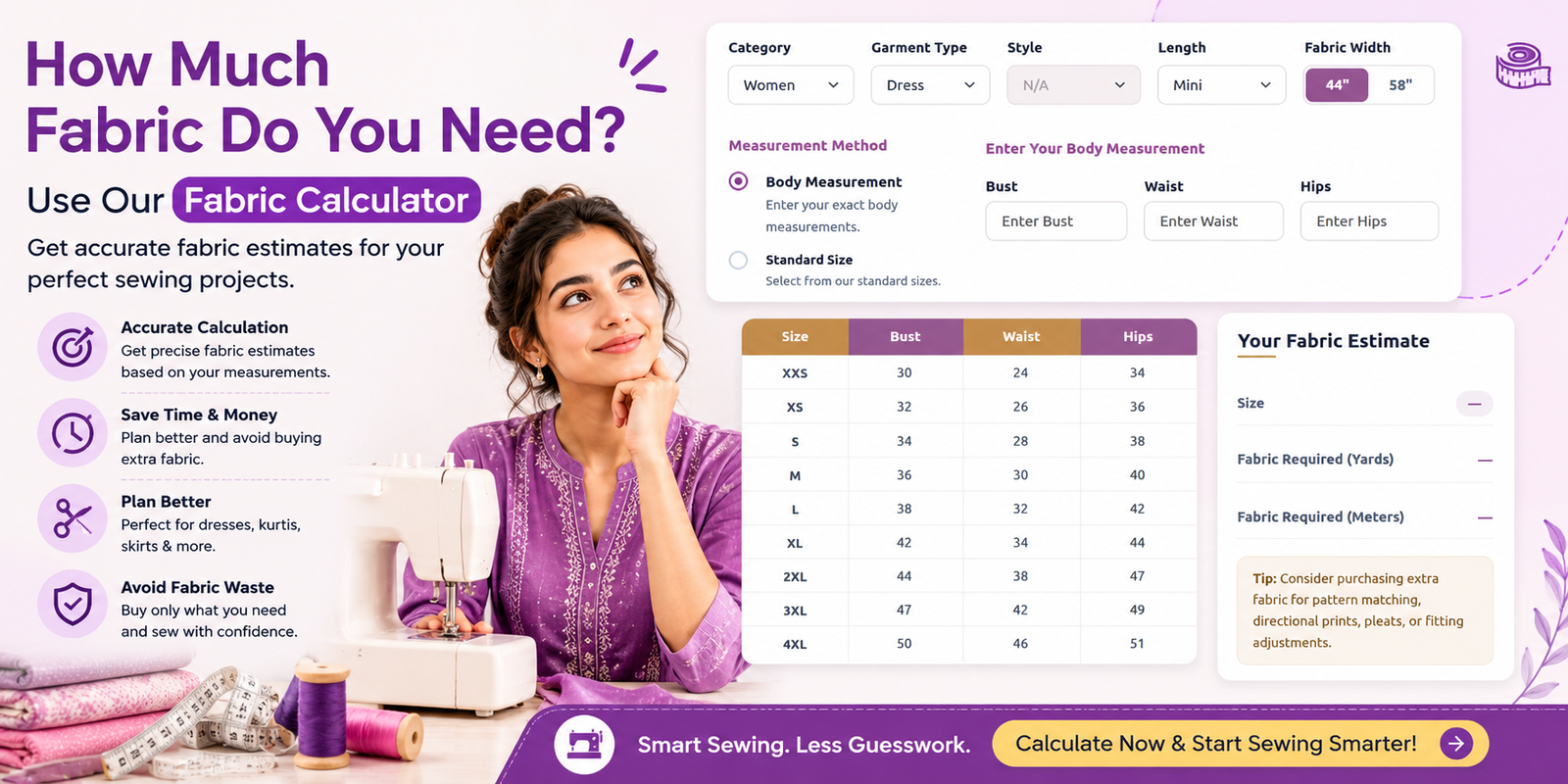
How Much Fabric Do You Need? A Complete Guide to Using a Fabric Calculator
Discover how much fabric you need for your next sewing project with a Fabric Calculator. Learn how to calculate fabric requirements for dresses, kurtis, blouses, and skirts based on garment style, body measurements, and fabric width. Explore practical tips to save time, reduce fabric waste, and plan smarter sewing projects with Sewdesk.
Read More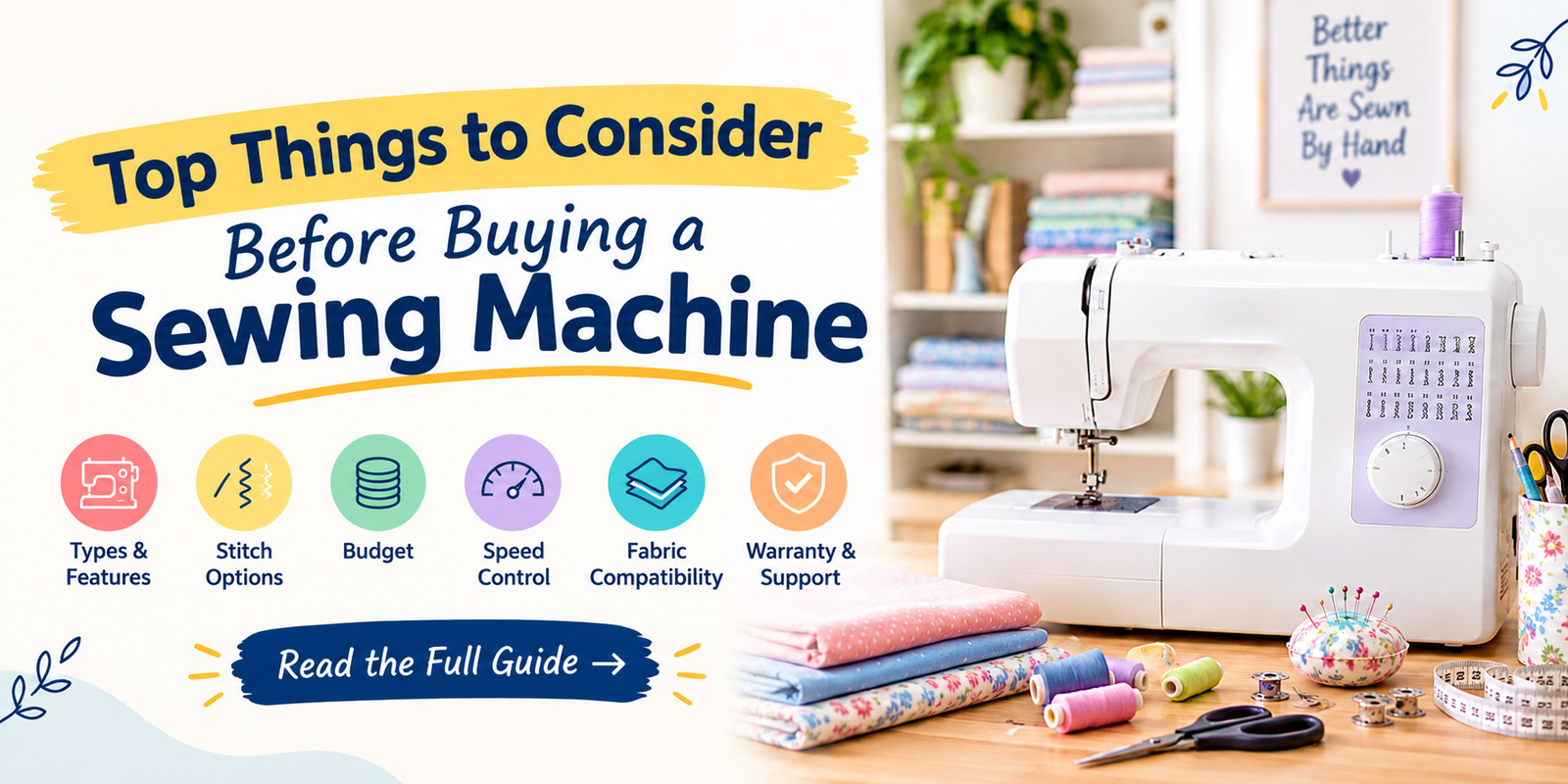
Top Things to Consider Before Buying a Sewing Machine
Learn about the top things to consider before buying a sewing machine. Explore different machine types, stitch options, budget, speed control, fabric compatibility, essential features, and warranty tips to choose the right sewing machine for your needs. Whether you're a beginner or an experienced sewing enthusiast, this guide will help you make an informed buying decision.
Read More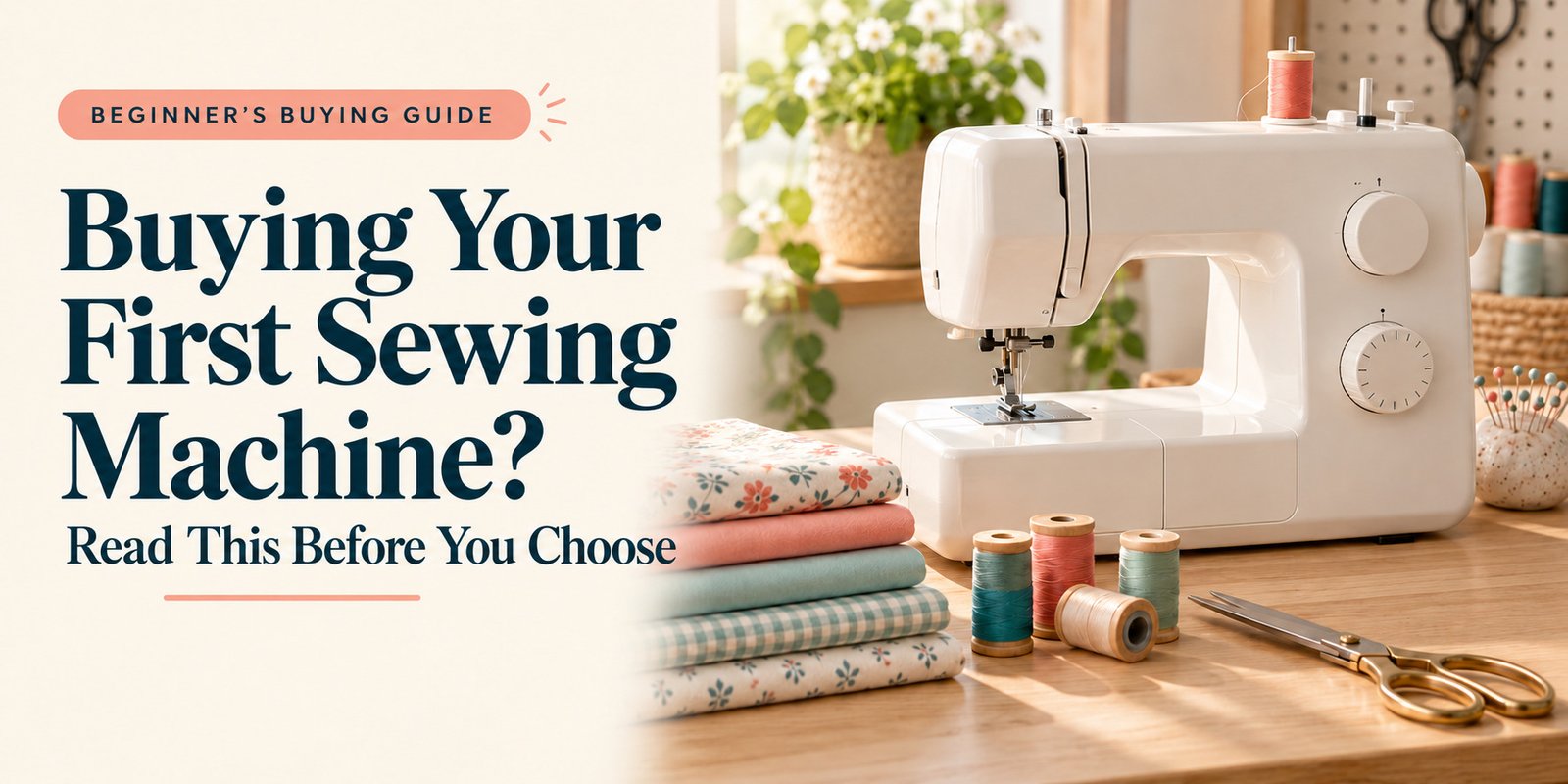
Buying Your First Sewing Machine? Read This Before You Choose
Buying your first sewing machine? This beginner’s guide explains how to compare machine types, essential features, fabric compatibility, and costs. Learn what to check before purchasing, from easy threading and speed control to warranty and service support, so you can choose confidently for your sewing projects.
Read More